Frequently Asked Questions
How can I find a specialized pediatric eye doctor near me in Rome, GA?
Finding a specialized pediatric eye doctor near you in Rome, GA, is simple. You can search online for local pediatric eye care clinics, check reviews, or ask your child's pediatrician for recommendations.
Which one is correct for kids: optometrist or ophthalmologist?
The correct eye care professional for kids can be either an optometrist or an ophthalmologist, depending on their specific needs. Optometrists typically provide routine eye exams and vision care, while ophthalmologists are medical doctors who can diagnose and treat more complex eye conditions.
What qualifications should a pediatric eye doctor have?
The qualifications a pediatric eye doctor should have include a Doctor of Optometry (OD) or a Medical Doctor (MD) degree, specialized training in pediatric ophthalmology, and experience in working with children to ensure effective eye care.
How often should children have eye exams?
Children should have eye exams every year, starting at age one, to ensure early detection of vision issues and to promote healthy eye development. Regular check-ups are crucial as many children may need glasses.
What are signs my child needs an eye exam?
Signs that your child needs an eye exam include difficulty reading, squinting, frequent eye rubbing, headaches, or complaints of blurry vision. If you notice any of these symptoms, it's important to schedule an appointment for a thorough evaluation.
What can I expect during my childs eye exam?
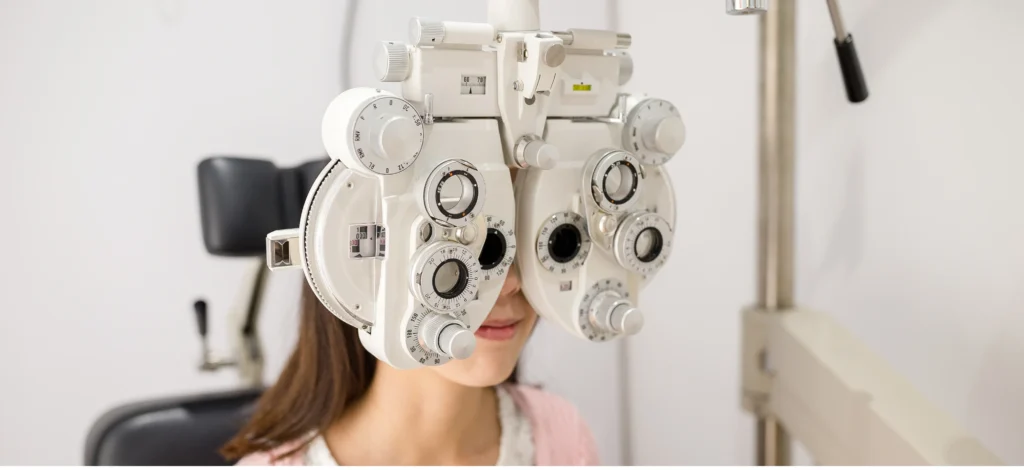
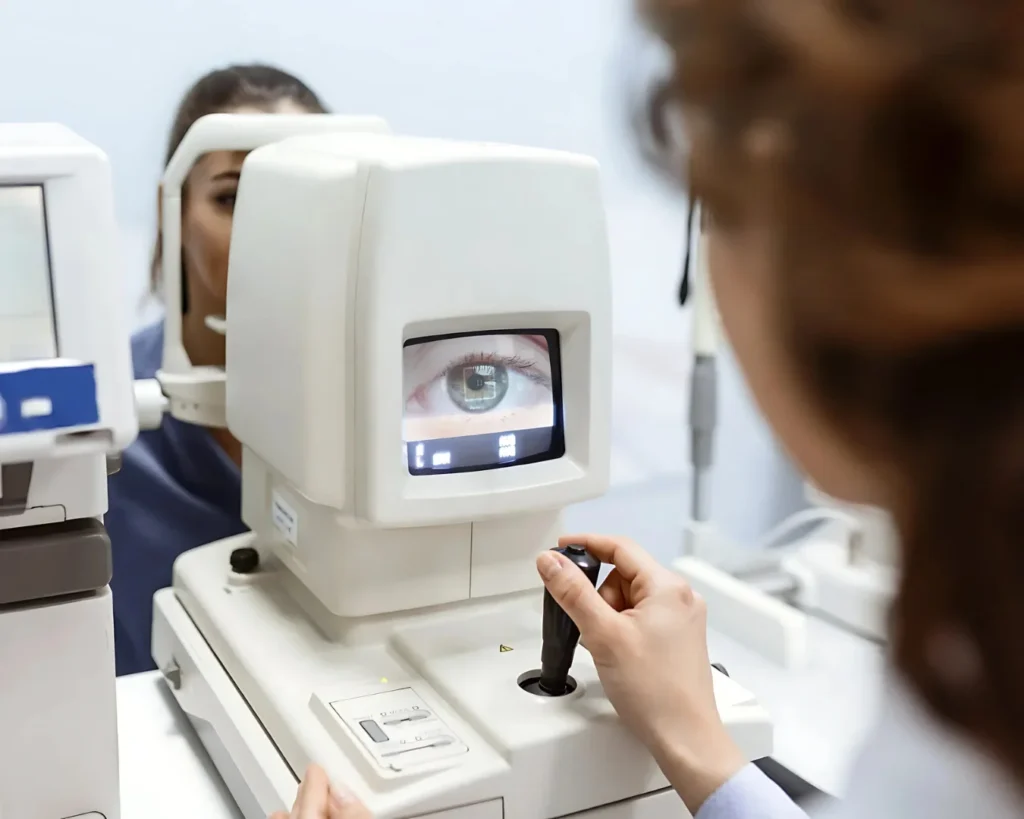
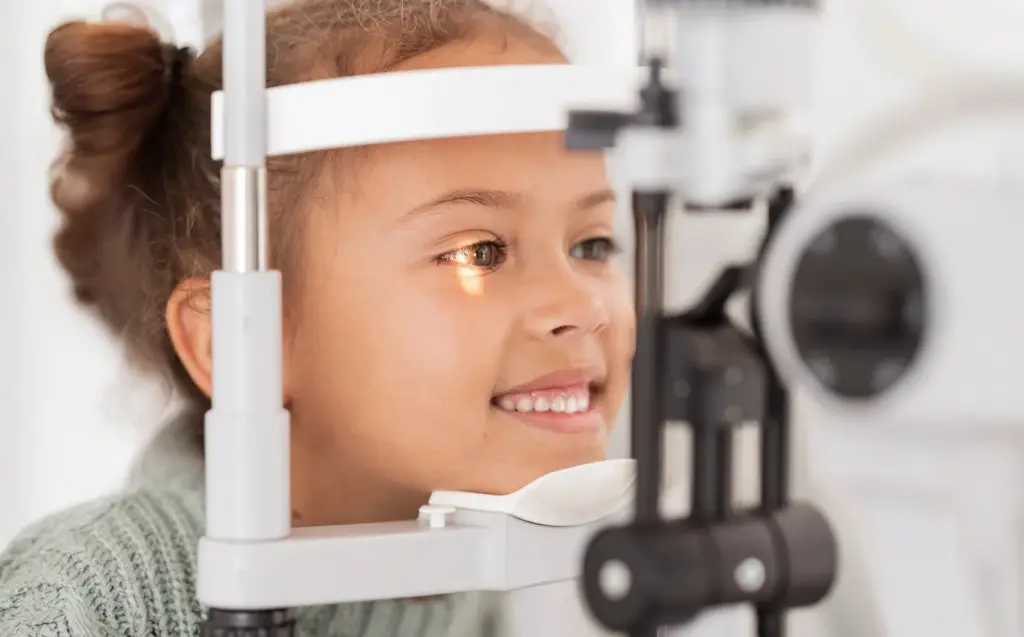
During your child's eye exam, you can expect a friendly and comfortable environment where Dr. Irina Shiyan will conduct tests to assess vision and overall eye health, ensuring a positive experience for your child.
How to prepare my child for an eye exam?
Preparing your child for an eye exam involves explaining the process in a fun and reassuring way. Encourage them to ask questions, and consider bringing along their favorite toy for comfort.
What is the difference between optometrists and ophthalmologists?
The difference between optometrists and ophthalmologists lies in their training and services. Optometrists provide vision care, including eye exams and prescribing glasses, while ophthalmologists are medical doctors who can perform surgeries and treat eye diseases.
When should I take my child to an optometrist?
The appropriate time to take your child to an optometrist is during their first year, then again at age three, and before starting school. Regular check-ups help ensure your child's vision and eye health are properly monitored.
What conditions do pediatric eye doctors treat?
Pediatric eye doctors treat a variety of conditions, including refractive errors like nearsightedness and farsightedness, amblyopia (lazy eye), strabismus (crossed eyes), and other vision-related issues affecting children's overall eye health.
How to choose the right pediatric eye doctor?
Choosing the right pediatric eye doctor involves considering their experience with children, their approach to creating a friendly environment, and their ability to communicate effectively with both kids and parents. Look for recommendations and reviews to ensure quality care.
Are pediatric eye exams covered by insurance?
Pediatric eye exams are often covered by insurance. However, coverage can vary based on your specific plan, so it's best to check with your insurance provider to confirm the details regarding benefits for children's eye care services.
What age should children start eye exams?
Children should start eye exams at six months of age, with follow-up checks at age three and before entering school. Early detection is crucial for addressing vision issues and promoting healthy eye development.
How long does a pediatric eye exam take?
A pediatric eye exam typically takes about 30 to 60 minutes. This duration allows for a thorough assessment of your child's vision and eye health in a friendly and comfortable environment.
What tests are included in a pediatric eye exam?
The tests included in a pediatric eye exam are designed to assess vision and overall eye health. These may involve visual acuity tests, eye alignment checks, and screenings for common issues such as refractive errors and amblyopia.
Can I find a pediatric eye doctor online?
You can find a pediatric eye doctor online. Many eye care practices, including Eyes On Park, offer online resources to help you locate qualified pediatric eye specialists in your area and schedule appointments conveniently.
What should I bring to my childs eye appointment?
For your child's eye appointment, you should bring their current glasses or contact lenses, any relevant medical records, and a list of any medications they are taking. This will help us provide the best care possible.
How to find a pediatric eye doctor near me?
Finding a pediatric eye doctor near you is simple. Start by searching online for local pediatric eye care services, asking your pediatrician for recommendations, or checking with your insurance provider for covered specialists in your area.
What are common eye problems in children?
Common eye problems in children include refractive errors like nearsightedness and farsightedness, amblyopia (lazy eye), strabismus (crossed eyes), and color blindness. Early detection and treatment are crucial for maintaining healthy vision.
How do I schedule an eye exam for my child?
Scheduling an eye exam for your child is easy. You can either call our office directly or use our online booking system to select a convenient time for your visit.
What is the role of an optometrist for kids?
The role of an optometrist for kids is to conduct comprehensive eye exams, diagnose vision problems, and provide appropriate treatments. They ensure children maintain good eye health and develop optimal visual skills essential for learning and daily activities.
What should I know about childrens glasses?
What you should know about children's glasses is that they are essential for correcting vision problems and supporting healthy eye development. Choosing the right fit and style can make wearing glasses more comfortable and enjoyable for your child.
How can I help my child with vision issues?
Helping your child with vision issues involves ensuring they receive regular eye exams, promoting healthy eye habits, and providing a supportive environment. Encourage them to communicate any difficulties they experience and follow the eye care professional's recommendations for treatment.
What are the benefits of early eye exams?
The benefits of early eye exams include the early detection of vision problems, which can lead to timely intervention and treatment. This proactive approach helps ensure that children develop healthy vision and can significantly improve their overall learning and development.
How to make eye exams fun for kids?
Making eye exams fun for kids involves creating a friendly atmosphere, using engaging tools like colorful charts, and incorporating games that encourage participation. Dr. Irina Shiyan ensures that children feel relaxed and excited during their visit.
What should I ask during my childs eye exam?
Key questions to ask during your child's eye exam include inquiries about the specific tests being conducted, the results of those tests, any recommended follow-up actions, and how to maintain your child's eye health moving forward.
How to recognize vision problems in children?
Recognizing vision problems in children involves observing signs such as squinting, frequent eye rubbing, difficulty focusing on objects, or complaints of headaches. If you notice these behaviors, it's important to schedule a pediatric eye exam for a thorough evaluation.
What is the importance of pediatric eye care?
The importance of pediatric eye care lies in its role in ensuring early detection and treatment of vision problems, which can significantly impact a child's development, learning, and overall quality of life. Regular eye exams help promote healthy vision habits from a young age.
How can I ensure my child’s eye health?
Ensuring your child’s eye health involves scheduling regular pediatric eye exams, promoting good screen habits, encouraging outdoor play, and maintaining a balanced diet rich in eye-friendly nutrients.
What follow-up care is needed after eye exams?
Follow-up care after eye exams includes monitoring your child's vision, ensuring they wear prescribed glasses if needed, and scheduling regular check-ups to track any changes in eye health.