Myopia Explained: Causes, Symptoms, and Management
Myopia (nearsightedness) is a common refractive error: distant objects appear blurred when the eyeball is too long or the cornea too curved. Rates have risen, especially in children, making awareness important. This article summarises causes and symptoms, outlines management and treatment options, and highlights strategies to slow progression in children and practical lifestyle measures to support eye health.
Recent research underscores the global prevalence of myopia and the substantial contribution of environmental and lifestyle factors to its onset and progression.
Myopia: Global Epidemic & Lifestyle Factors
Myopia, commonly known as near-sightedness, has emerged as a global epidemic, impacting almost one in three individuals across the world. The increasing prevalence of myopia during early childhood has heightened the risk of developing high myopia and related sight-threatening eye conditions in adulthood. This surge in myopia rates, occurring within a relatively stable genetic framework, underscores the profound influence of environmental and lifestyle factors on this condition. In this comprehensive narrative review, we shed light on both established and potential environmental and lifestyle contributors that affect the development and progression of myopia.
The influence of the environment and lifestyle on myopia, S Biswas, 2024
Causes
Myopia arises from genetic predisposition together with environmental exposures. Children with myopic parents are at higher risk. Extended near work (reading, screens) and less time outdoors are recognised contributors; natural daylight and distance viewing appear protective. Understanding these drivers helps shape prevention and monitoring.
Symptoms
Early detection matters. Typical signs include difficulty seeing distant objects, eye discomfort after prolonged near tasks, and headaches from visual strain.
- Blurred Vision : Difficulty seeing distant objects clearly is the main sign.
- Eye Strain : Discomfort or fatigue after long periods of close focus.
- Headaches : Headaches related to prolonged visual effort.
Noting these signs should prompt an eye examination and timely correction.
Management Options
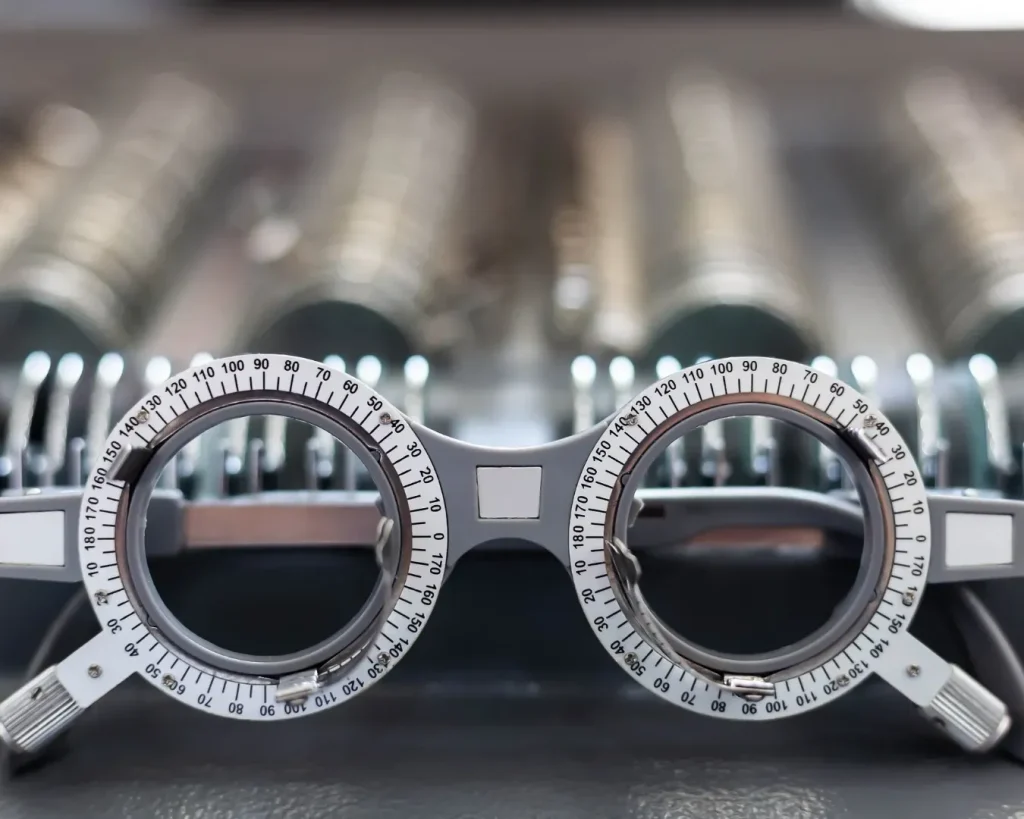
Myopia is managed with optical corrections, devices that slow progression, or surgery for eligible adults. Choices depend on age, lifestyle, and clinical findings.
Eyeglasses
Eyeglasses are the most common, safe correction. Single-vision lenses correct distance; bifocals or progressives help when near support is needed. They are easy to use and suited to most patients.
Contact Lenses
Contact lenses sit on the eye and often offer a wider field of view. Options range from daily disposables to longer-wear designs; many choose them for comfort or appearance.
Orthokeratology
Orthokeratology (ortho-k) uses specially fitted rigid lenses worn overnight to temporarily reshape the cornea and provide clear daytime vision without spectacles. It is commonly used in children to slow progression.
Clinical studies have assessed orthokeratology specifically for its capacity to slow myopia progression in younger patients.
Orthokeratology for Myopia Progression in Children
To review the published evidence to evaluate the ability of orthokeratology (Ortho-K) treatment to reduce myopic progression in children and adolescents compared with the use of
Use of orthokeratology for the prevention of myopic progression in children: a report by the American Academy of Ophthalmology, RT Kraker, 2019
Refractive Surgery
Procedures such as LASIK and PRK reshape the cornea and can provide stable correction for adults with a stable prescription. Risks and benefits should be reviewed with an eye care professional before proceeding.
Vision Therapy
Vision therapy offers structured exercises and training to improve visual skills, reduce strain, and address specific binocular or accommodative problems. It is tailored to individual needs and delivered under professional supervision.
Eyes On Park is an eye care provider in Gramercy Park, NYC, offering comprehensive myopia diagnosis and management services tailored to patients of all ages.
When to Consult an Eye Care Professional
See an eye care professional if a child or adult shows signs of vision loss (difficulty in class, frequent squinting, or persistent eye rubbing). Regular exams track refractive changes and ensure prescriptions and management plans are updated.
Available Myopia Treatment and Correction Options
Options include eyeglasses, contact lenses, orthokeratology, refractive surgery, and rehabilitative therapies. Choice depends on age, refractive error, progression rate, and patient preference.
- Eyeglasses : Reliable and straightforward correction.
- Contact Lenses : A convenient, cosmetic alternative.
- Orthokeratology : Nightly corneal shaping to reduce daytime correction and slow progression.
- Refractive Surgery : Permanent correction for suitable adult candidates.
- Vision Therapy : Targeted training to improve visual function.
Discuss the relative advantages of each option with your clinician to choose the best fit.
Managing Myopia Progression in Children
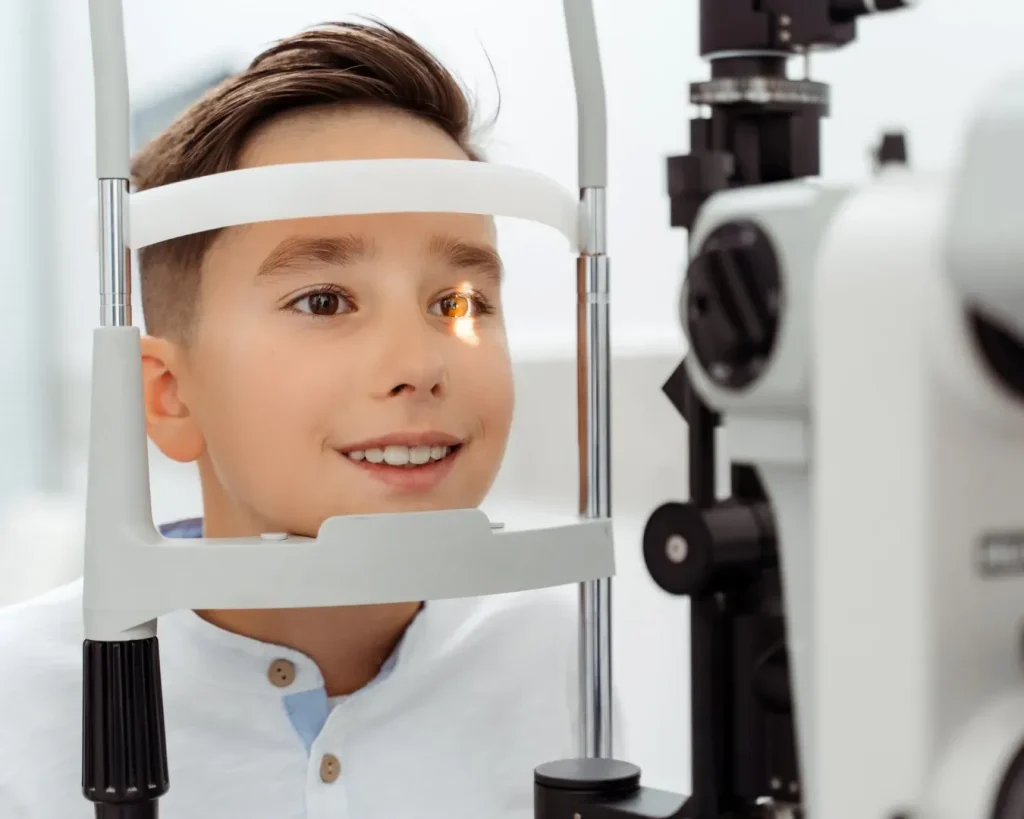
Early monitoring and modifying environmental risk factors can reduce rapid progression. Strategies focus on clinical interventions and practical daily habits.
- Regular Eye Exams : Frequent check-ups track progression and guide treatment.
- Outdoor Activities : More time outdoors is associated with lower myopia incidence in children.
- Limiting Screen Time : Reducing continuous near work and enforcing breaks lowers visual strain.
Consistent application of these steps helps parents and clinicians protect visual development.
Lifestyle and Preventive Measures for Eye Health
Practical lifestyle habits reduce strain and support eye health alongside clinical care.
- Screen Time Management : Take regular breaks (e.g., 20-20-20) when using screens.
- Outdoor Activities : Encourage outdoor play for natural light and distance focus.
- Healthy Diet : A balanced diet with essential nutrients supports ocular health.
These preventive steps can help preserve vision and may reduce the risk of worsening myopia.
Frequently Asked Questions
What are the long-term effects of untreated myopia?
Untreated myopia can progress to high myopia in some people, increasing the risk of retinal detachment, glaucoma, and cataract. Regular assessment and timely management reduce these risks and preserve function.
Can myopia be reversed or cured?
There is no guaranteed cure that reverses myopia permanently. Vision can be corrected with glasses, contacts, or surgery; some interventions (for example, orthokeratology) can slow progression.
How does outdoor activity help in managing myopia?
Increased outdoor time is linked to a lower incidence of myopia in children. Natural light and opportunities for distance viewing are thought to be protective, so outdoor play is recommended.
What lifestyle changes can help prevent myopia?
Limit prolonged near work, take regular screen breaks, encourage outdoor time, and ensure good lighting when reading. A nutrient-rich diet supports overall eye health.
At what age should children have their first eye exam?
Initial examinations are recommended in infancy (around six months), with further checks at age three and before starting school; regular follow-up throughout childhood is important.
Are there any specific exercises to improve myopia?
No exercises have been shown to reverse myopia. Vision therapy can improve specific visual skills and reduce strain when guided by a professional.
What should I do if I notice my child squinting or rubbing their eyes frequently?
Frequent squinting or rubbing may signal a vision issue. Arrange a comprehensive eye exam to assess visual function and begin appropriate care if needed.
Conclusion
Understanding myopia—its causes, symptoms, and management—helps protect vision, especially in children. Regular eye exams, appropriate clinical interventions, and sensible lifestyle measures can slow progression and improve daily functioning. Consult a qualified eye care professional for personalised assessment and treatment.