What Makes Daily Disposable Contact Lenses Unique? Benefits, Comfort, and Eye Health Explained
Daily disposable contact lenses deliver a fresh, sterile lens each morning, dramatically reducing infection risk while maximizing comfort from the very first blink. In this article, you will discover how these single-use lenses work, explore their key advantages in hygiene and eye health, compare them with monthly and reusable alternatives, and learn which brands and technologies power their superior performance. We’ll also examine solutions for specific conditions like dry eyes, astigmatism, and presbyopia, address common questions without jargon, and reveal cost-saving strategies—all designed to help Gramercy Park residents make informed choices and book a personalized fitting at Eyes On Park.
What Are Daily Disposable Contact Lenses and How Do They Work?
Daily disposable contact lenses are single-use corrective lenses designed to be worn once and discarded at the end of the day, combining precise vision correction with outstanding ocular hygiene through a replacement-every-day schedule. This mechanism eliminates protein and lipid deposits that accumulate on multi-use lenses, preventing irritation and maintaining clear vision—for example, patients with mild dryness often report immediate relief when switching to daily disposables.
Daily disposables fit seamlessly into a daily eye care routine by requiring no cleaning solutions or storage cases, which streamlines morning preparations and reduces handling errors. Understanding the materials and hygiene benefits sets the stage for exploring why these lenses excel in comfort and health protection.
What defines daily disposable contact lenses compared to other types?
Daily disposables differ from monthly and biweekly lenses by their single-wear philosophy: each lens arrives sterile in its blister pack and is never reused. Compared with reusable lenses, they avoid cleaning chemicals altogether and remove the need for storage cases, sharply reducing risks of contamination.
This fresh-lens approach also eliminates build-up of environmental allergens and microbial biofilms, making daily disposables the optimal choice for wearers sensitive to deposits or prone to seasonal allergies.
How does the daily replacement schedule improve lens hygiene?
A daily replacement schedule ensures every lens surface is pristine at the start of wear, preventing the cumulative accumulation of proteins, lipids, and microbes. By discarding lenses after each use, wearers avoid manual cleaning steps that can introduce pathogens or leave residue behind.
Regular replacement directly translates into a reduction in infection risk compared to reusable lenses, supporting healthier tear film dynamics and clearer vision throughout the day.
Reusable Contact Lenses More Than Triple Risk of Rare Preventable Eye Infection
A study found that individuals using reusable soft contact lenses had 3.8 times higher odds of developing Acanthamoeba keratitis, a severe eye infection, compared to those wearing daily disposable lenses. The research also indicated that reusing daily disposable lenses increased the infection risk by 5.4 times, highlighting the importance of proper lens use and disposal.
Which materials are used in daily disposables for enhanced comfort?
Daily disposables often incorporate silicone hydrogel or high-water-content hydrogel materials, balancing oxygen permeability with moisture retention to promote corneal health. Silicone hydrogel lenses allow up to 150 Dk/t oxygen transmission, while water gradient designs provide a hydrated surface that resists dryness.
These advanced polymers maintain lens flexibility and wettability, preventing irritation and sustaining comfort during extended wear and active lifestyles.
How do daily disposables fit into a daily eye care routine?
Integrating daily disposables into your morning routine requires only lens insertion on clean hands and disposal at night, replacing multi-step cleaning rituals with a single-action process. This convenience saves valuable time and eliminates travel-size restrictions for active commuters or vacationers.
By simplifying handling, daily disposables also reduce the chance of lens mishandling, setting a reliable foundation for consistent eye health and vision clarity.
What Are the Key Benefits and Advantages of Daily Disposable Contact Lenses?
Daily disposable contact lenses deliver unmatched hygiene, exceptional comfort, and ultimate convenience by combining fresh, sterile wear with advanced materials that support tear film stability, making them ideal for busy, health-conscious individuals.
- Superior Hygiene: Fresh lens every day prevents protein, lipid, and microbial buildup, reducing infection risk.
- Enhanced Comfort: Thinner designs and moisture-retaining polymers minimize dryness and lens awareness.
- Ultimate Convenience: Elimination of cleaning solutions and cases streamlines routines and saves time.
- Allergy Relief: Daily disposal halts allergen accumulation, benefiting seasonal allergy sufferers.
- UV Protection: Some daily disposables incorporate UV-blocking components to shield the eye surface.
Silicone hydrogel daily disposable benefits: The evidence
This review article examines the extensive evidence supporting the advantages of daily disposable contact lenses, particularly those made from silicone hydrogel materials. It highlights benefits across clinical performance, overall eye health outcomes, patient satisfaction, compliance with wear schedules, and general convenience.
How do daily disposables provide superior hygiene and reduce infection risk?
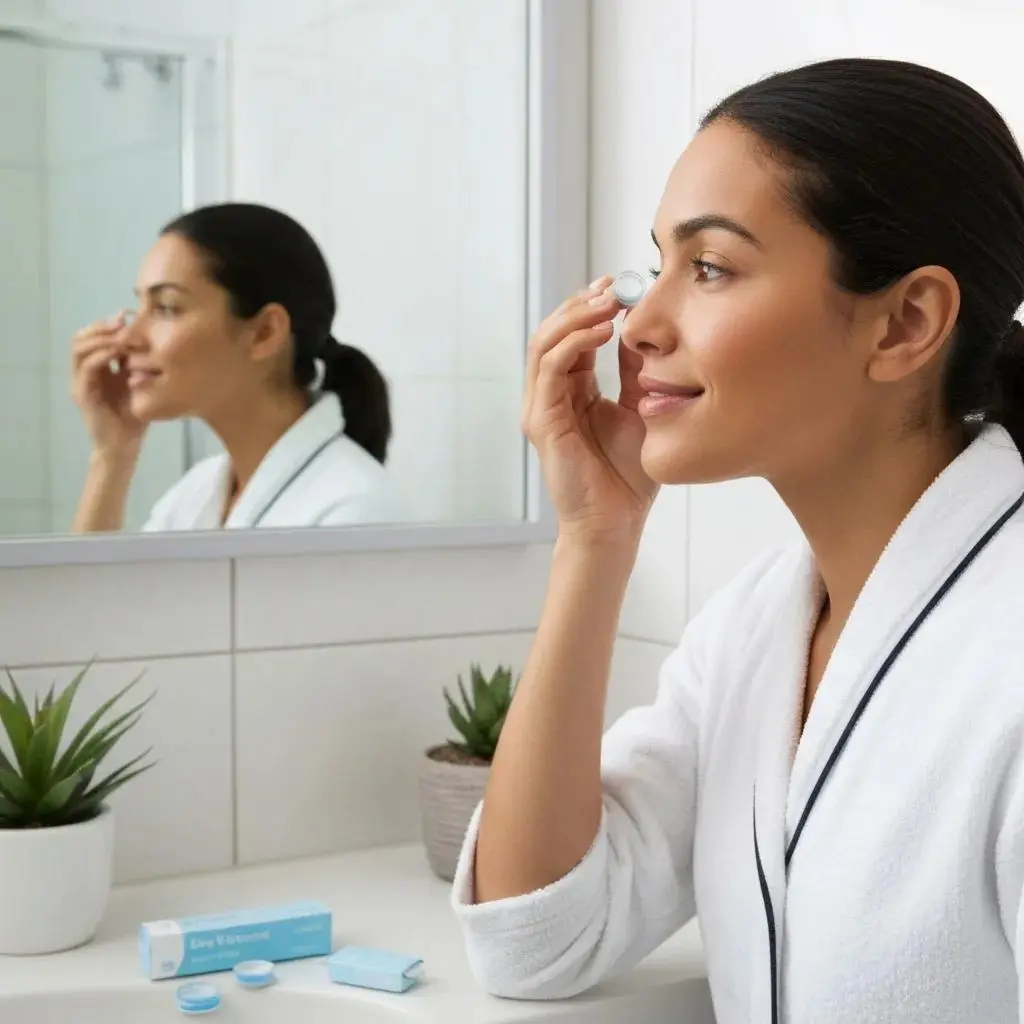
Daily disposables enforce a strict single-use protocol that eliminates the cycles of cleaning and storage that allow pathogens to multiply. Fresh lenses prevent bacterial and fungal colonization, which can lead to inflammation, discomfort, or more serious complications.
By integrating a sterile-lens approach, infections from lens deposits drop dramatically, supporting healthier ocular surfaces and tear film dynamics.
Why are daily disposables more comfortable than monthly lenses?
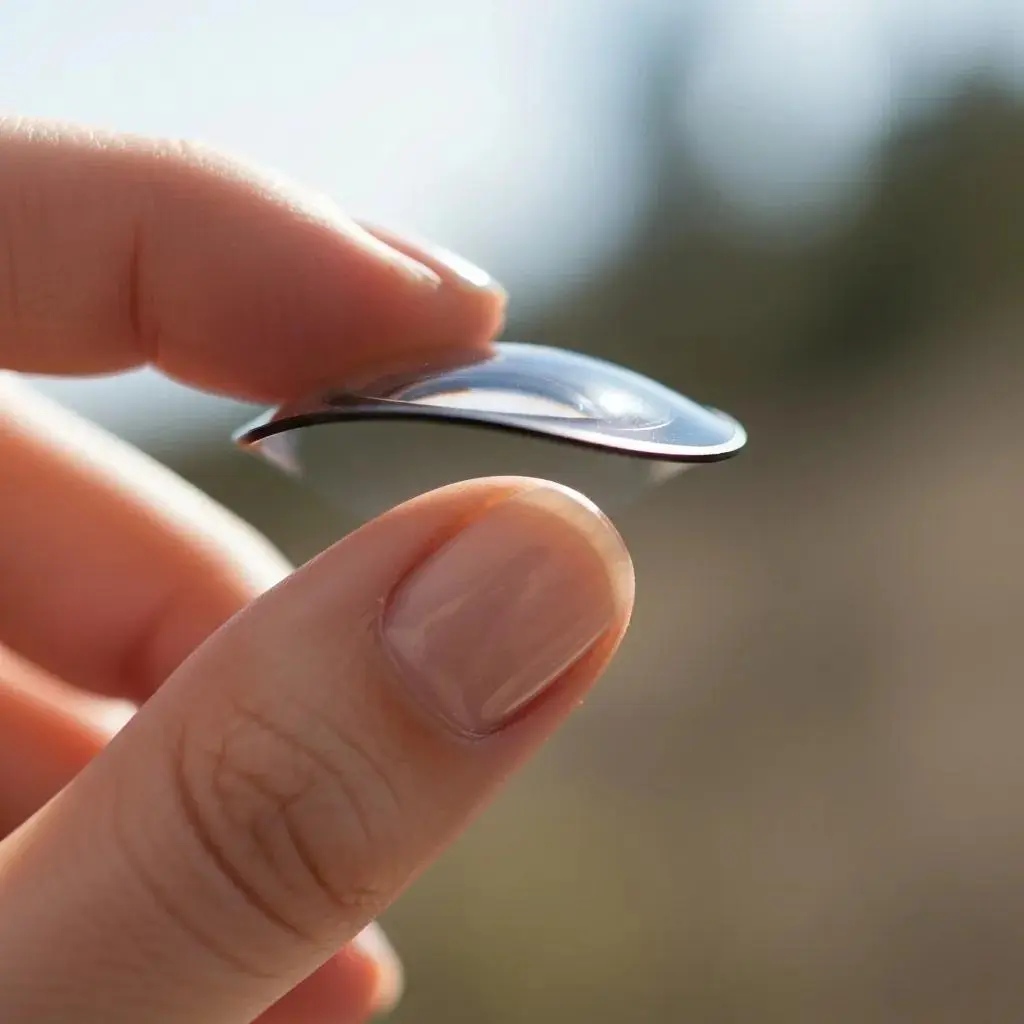
Daily disposables use ultra-thin materials and optimized curvature profiles that conform smoothly to the eye’s surface, reducing lens awareness. Without accumulated deposits over days of wear, each lens remains highly wettable and soft.
This consistent comfort stems from engineered polymers that maintain hydration and oxygen flow, ensuring lenses feel fresh from insertion until removal.
A Randomized Trial on the Benefits of Refitting Symptomatic Contact Lens Wearers with Daily Disposable Lenses
A randomized clinical trial demonstrated that refitting symptomatic monthly replacement contact lens wearers with a new daily disposable lens significantly improved comfort, reduced contact lens discomfort symptoms, and enhanced vision-related quality of life. This suggests that daily disposables can be a beneficial alternative for individuals experiencing discomfort with other lens modalities.
How do daily disposables offer convenience for active and occasional wearers?
A one-step insertion process and nightly disposal remove cleaning and storage steps entirely, making daily disposables ideal for travelers, gym enthusiasts, or those with rotating schedules. Users never need to carry bulky solutions or worry about contaminated cases.
This hassle-free approach ensures vision correction remains accessible even when routines change, empowering wearers to focus on activities rather than lens care.
Can daily disposables reduce allergy and dry eye symptoms?
Yes, daily replacement prevents allergen and deposit trapping that can provoke ocular irritation in sensitive individuals. Materials like HydraLuxe integrate with natural tears to lock in moisture, supporting comfort in low-humidity environments.
This allergen-free experience often results in fewer redness episodes and extended comfortable wear times for those prone to dryness or seasonal reactions.
What role does UV protection play in daily disposable lenses?
Some daily disposables incorporate UV-blocking agents that filter harmful UVA and UVB rays, acting as a supplemental barrier to sunglasses. This feature supports long-term ocular health by reducing cumulative UV exposure on the cornea and lens.
UV protection within daily disposables adds a layer of defense during outdoor activities, complementing other eye safety measures.
How Do Daily Disposable Contact Lenses Compare to Monthly and Other Lens Types?
Daily disposable contact lenses outperform monthly and reusable lenses in hygiene, comfort, and ease of use by eliminating cleaning regimens and deposit accumulation while offering advanced material technologies that support breathability and moisture.
Understanding these comparisons helps wearers select the lens modality that best aligns with their lifestyle, budget, and vision needs.
| Lens Type | Replacement Schedule | Core Advantage |
|---|---|---|
| Daily Disposable | Daily | Fresh lens daily for maximum hygiene |
| Monthly Reusable | 30 days | Lower unit cost but requires cleaning |
| Bi-weekly Reusable | 14 days | Moderate replacement frequency |
| Extended-wear (Disposable) | 7–14 days | Longer continuous wear option |
This comparison underscores how daily disposables integrate advanced polymers with a sterile-lens model for unmatched eye health benefits.
What are the pros and cons of daily disposables versus monthly lenses?
Pros of daily disposables include superior hygiene, no storage requirements, and minimal deposit buildup, while cons center on higher per-unit cost and increased packaging waste. Monthly lenses offer cost savings and reduced packaging but demand diligent cleaning and carry higher infection risks.
Balancing these factors helps wearers match lens choice to their priorities in health, convenience, and budget.
How does the cost of daily disposables compare to monthly lenses over time?
While daily disposables have a higher upfront expense, eliminating cleaning solutions and cases produces significant long-term savings. Monthly lenses may require ongoing purchases of disinfecting solutions, storage cases, and replacement equipment.
Over a year, daily disposables often match or undercut combined expenses of reusable lenses plus care products, especially when factoring rebates or bulk-purchase discounts.
What are the hygiene and safety differences between daily and reusable lenses?
Daily disposables ensure sterile wear without manual cleaning, effectively reducing risks of microbial contamination. Reusable lenses depend on user-performed disinfection routines that can be inconsistent or overlooked, increasing exposure to pathogens.
This safety distinction positions daily disposables as the recommended choice for patients with recurrent irritation or compliance challenges.
Which lens type is better suited for different lifestyles and vision needs?
Active individuals and travelers benefit from daily disposables’ simplicity and portability, while cost-conscious or consistent-schedule wearers may prefer monthly lenses for lower unit pricing. Seasonal allergy sufferers and those with dry eye conditions often find daily disposables deliver improved comfort.
An eye care professional can assess habits, tear film quality, and schedule demands to recommend the optimal lens modality.
How Do Daily Disposable Contact Lenses Address Specific Eye Conditions?
Daily disposable contact lenses adapt to unique vision needs—such as dry eye, astigmatism, and presbyopia—by combining specialized lens designs and material innovations that support comfort, stability, and visual acuity for each condition.
Tailoring lens selection to individual ocular characteristics promotes better outcomes and patient satisfaction.
Why are daily disposables ideal for dry eyes?
Daily disposables made with moisture-retaining technologies like water gradient designs or HydraLuxe integrate seamlessly with the tear film, maintaining hydration and reducing friction. Fresh lenses daily prevent deposit buildup that exacerbates dryness and discomfort.
For example, patients report extended comfortable wear times and fewer irritation episodes when switching to high-water-content daily disposables.
How do daily disposable toric lenses correct astigmatism?
Daily disposable toric lenses incorporate weighted stabilizing zones and precise cylinder power to align consistently along the corneal axis, correcting irregular curvature in real time. This design relieves blurring and ghost images by maintaining rotational stability throughout wear.
Wearers experience crisp, stable vision in all gaze directions without manual lens rotation or repositioning.
What options exist for presbyopia with daily disposable multifocal lenses?
Daily disposable multifocal lenses use concentric or aspheric optics to deliver near, intermediate, and distance correction simultaneously, supporting tasks from reading menus to driving. Brands offer simultaneous vision designs that seamlessly shift focus as the eye moves.
Patients gain seamless vision transitions without bifocal lines, enhancing ease for first-time multifocal contact lens wearers.
How does personalized fitting at Eyes On Park enhance lens performance?
At Eyes On Park, our optometrists measure corneal curvature and assess tear chemistry to recommend the ideal daily disposable lens type and size. Customized fittings ensure optimal lens centration and movement, reducing dryness and maximizing visual clarity.
This precision approach transforms a standard lens into a tailored vision solution for Gramercy Park residents.
What Are the Top Brands and Technologies Behind Daily Disposable Contact Lenses?
Leading manufacturers of daily disposables—such as Johnson & Johnson and Alcon—incorporate breakthrough material science and surface treatments that boost lens performance, moisture retention, and wearability across diverse patient needs.
Examining these technologies reveals how brands differentiate comfort, hydration, and stability.
What unique features do Acuvue Oasys 1-Day lenses offer?
Acuvue Oasys 1-Day lenses feature HydraLuxe technology, which embeds tear-like molecules into the lens matrix to support natural tear film integrity. This mechanism maintains consistent moisture levels and reduces lens awareness throughout the day.
The integrated blink-activated design also fosters a smooth surface that mitigates friction during each blink.
How does Dailies Total1’s water gradient technology improve comfort?
Dailies Total1 lenses employ a water gradient structure, with a silicone hydrogel core transitioning to a nearly 100% water surface, delivering a cushion-like feel. This gradient fosters exceptional wettability and oxygen permeability.
Wearers often describe these lenses as “second skin” due to their seamless hydration layer.
Which other leading brands and technologies are available at Eyes On Park?
Eyes On Park offers brands such as Bausch + Lomb Infuse with tear-stable coatings and CooperVision SmartSurface that provide long-lasting moisture retention. Each technology focuses on critical attributes like surface wettability, oxygen flow, and deposit resistance.
Our practice selects lenses to match patient tear profiles and lifestyle demands, ensuring optimal daily performance.
How do these technologies support eye health and lens wearability?
Advanced polymers and surface treatments maintain corneal oxygenation and tear film balance, minimizing hypoxic stress and dryness. By preventing protein and lipid adhesion, these technologies preserve lens clarity and reduce inflammatory responses.
Collectively, they reinforce a healthier ocular environment and prolong comfortable wear.
What Are the Common Questions About Daily Disposable Contact Lenses?
Regular use of daily disposable contact lenses supports eye health by offering a fresh sterile interface, but wearers often seek clarity on specific practical and health-related aspects before switching modalities.
Understanding these practical considerations ensures informed decisions and safer wear.
Are daily disposable contact lenses better for eye health?
Yes, daily disposable contact lenses promote superior eye health by preventing deposit accumulation and microbial colonization. A sterile-each-day approach reduces inflammation and the risk of corneal infections, supporting long-term ocular integrity.
Regular daily replacement aligns with best-practice recommendations for contact lens safety.
What are the disadvantages or limitations of daily disposables?
The primary limitation is a higher per-lens cost and increased packaging waste compared to reusable lenses. Wearers must also ensure daily availability of fresh lenses and responsibly dispose of each blister pack.
However, environmental concerns can be offset by recycling programs and bulk packaging options.
Are daily disposables more comfortable than other lenses?
Comfort typically improves with daily disposables due to ultra-thin materials and absence of deposit buildup. Each lens begins with a smooth, hydrated surface that resists dryness and lens awareness, outperforming reused lenses that accumulate debris.
Most users report consistently high comfort levels throughout their wear day.
How should daily disposable lenses be cared for and disposed of?
Daily disposable lenses require no cleaning—simply discard the lens in its blister pack at night. After removal, rinse blunt-end eye drops can flush tear film residue from the ocular surface before inserting the next day’s pair.
Responsible disposal involves recycling the cardboard packaging and following local guidance for plastic blister pack recycling where available.
How can I book a consultation for daily disposables at Eyes On Park in Gramercy Park, NYC?
To explore daily disposable options and receive a personalized fitting at Eyes On Park, contact our Gramercy Park office by phone during business hours or visit our website to request an appointment. Our optometry team will assess your vision needs, tear profile, and lifestyle to recommend the ideal daily disposable lens solution.
Experience tailored eye care that prioritizes comfort, health, and clarity.
How Can You Save Money When Choosing Daily Disposable Contact Lenses?
Although daily disposables carry a higher per-unit price, strategic purchasing methods and hidden savings on lens care products often result in overall cost neutrality or even savings over time for conscientious buyers.
Evaluating the true value helps you balance initial expense with long-term benefits.
What is the upfront cost versus long-term savings of daily disposables?
Initially, daily disposables have a higher cost per lens than monthly options, but eliminating cleaning solutions and cases produces significant long-term savings. Monthly lenses may require ongoing purchases of disinfecting solutions, storage cases, and replacement equipment.
Over a year, daily disposables often match or undercut combined expenses of reusable lenses plus care products, especially when factoring rebates or bulk-purchase discounts.
Are there rebates or bulk purchasing options available?
Manufacturers frequently offer rebates, loyalty programs, or mail-in discounts for multi-month supplies of daily disposables. Bulk ordering through vision plans or practice promotions can further lower out-of-pocket costs.
Combining rebates with insurance benefits and practice discounts unlocks maximum savings.
How does eliminating cleaning solutions and cases affect overall expenses?
Removing the need for disinfecting solutions, enzymatic cleaners, and storage cases can save an average of $150–200 annually. These recurring-cost reductions offset higher lens unit prices and simplify supply budgets.
The absence of case replacements and solution purchases also lessens storage clutter and waste.
What factors should be considered when evaluating daily disposable lens value?
When assessing value, factor in hygiene benefits, reduced infection treatment costs, convenience time savings, and comfort-related productivity gains. Lower incidence of dry eye symptoms and fewer doctor visits for irritation can further justify the investment.
A comprehensive view that includes health and lifestyle advantages often reveals a favorable cost-benefit balance for daily disposables.
Daily disposable contact lenses embody a transformative blend of hygiene, comfort, and convenience that supports healthier eyes and clearer vision every day. Their advanced materials and single-use model prevent deposit buildup and reduce infection risk while accommodating specific conditions like dry eye, astigmatism, and presbyopia. By comparing replacement schedules, cost factors, and branded technologies, wearers can select the ideal daily disposable lens for their lifestyle and budget. To experience tailored eye care and professional contact lens fitting in Gramercy Park, book your appointment at Eyes On Park today.
About the Author
Dr. Irina Shiyan, O.D.
Optometrist at Eyes On Park
Dr. Irina Shiyan is a highly respected lead optometrist at Eyes On Park in Gramercy Park, NYC, specializing in comprehensive eye care, contact lens fittings, and the management of dry eye conditions. With a passion for patient education and a commitment to utilizing the latest advancements in optometry, Dr. Shiyan helps her patients achieve optimal vision and eye health. Her expertise in daily disposable contact lenses ensures personalized recommendations for comfort, hygiene, and clarity.
Frequently Asked Questions
What should I consider when choosing between daily disposables and reusable lenses?
When deciding between daily disposables and reusable lenses, consider factors such as your lifestyle, budget, and eye health needs. Daily disposables offer superior hygiene and convenience, making them ideal for busy individuals or those prone to allergies. In contrast, reusable lenses may be more cost-effective over time but require diligent cleaning and maintenance. Assess your comfort with lens care, frequency of use, and any specific eye conditions to determine the best option for you.
How can I ensure the best fit for my daily disposable lenses?
To achieve the best fit for daily disposable lenses, it’s essential to consult with an eye care professional who can evaluate your eye shape, corneal curvature, and tear film quality. A personalized fitting ensures that the lenses sit correctly on your eyes, enhancing comfort and visual clarity. Regular follow-ups can also help adjust the lens type or brand as your vision needs change over time, ensuring optimal performance and satisfaction.
Are there specific daily disposable lenses recommended for sensitive eyes?
Yes, there are daily disposable lenses specifically designed for sensitive eyes. Look for lenses made with high-water-content materials or those that incorporate moisture-retaining technologies, such as HydraLuxe or water gradient designs. These features help maintain hydration and reduce friction, providing a more comfortable experience for sensitive wearers. Brands like Acuvue and Dailies offer options tailored for individuals with dry or sensitive eyes, enhancing overall comfort and wearability.
Can I wear daily disposable lenses if I have astigmatism?
Absolutely! There are daily disposable toric lenses specifically designed to correct astigmatism. These lenses feature unique designs that stabilize on the eye, ensuring clear vision by aligning with the corneal axis. They provide the same hygiene and comfort benefits as regular daily disposables while effectively addressing the visual needs of astigmatic wearers. Consult with your eye care provider to find the best toric options for your specific prescription.
What are the environmental impacts of daily disposable lenses?
While daily disposable lenses offer convenience and hygiene, they do contribute to increased plastic waste due to their single-use nature. However, many manufacturers are now implementing recycling programs to mitigate this impact. Additionally, some brands are exploring eco-friendly materials and packaging. If environmental concerns are a priority for you, inquire about recycling options and consider participating in programs that promote sustainable disposal practices.
How do I know if daily disposables are right for my lifestyle?
Daily disposables are ideal for individuals with active lifestyles, those who travel frequently, or anyone seeking a low-maintenance lens option. If you prefer a hassle-free routine without the need for cleaning solutions or storage cases, daily disposables may be the best fit. Additionally, if you experience allergies or dry eyes, these lenses can help reduce irritation. Consulting with an eye care professional can provide personalized recommendations based on your specific lifestyle and vision needs.